



Technical SEO Audit
We perform a detailed review of your website to identify crawl, indexing, performance, and structural problems.

 Crawlability & Indexing Audits
 Website Speed & Core Web Vitals
 Schema, Redirects & Technical Fixes
A complete website SEO audit helps uncover issues that may not be obvious from the front end of the website.
We review how search engines interact with your site and identify problems that may affect rankings, visibility, usability, or performance.
A technical audit may review:
The goal is to understand what is preventing the website from performing as effectively as it should.

Technical website optimization focuses on improving the parts of your site that affect how search engines access, process, and interpret your content.
We prioritize technical fixes based on their potential impact rather than making unnecessary changes.
This may include improving:
A technically healthy website gives your SEO strategy a stronger foundation.













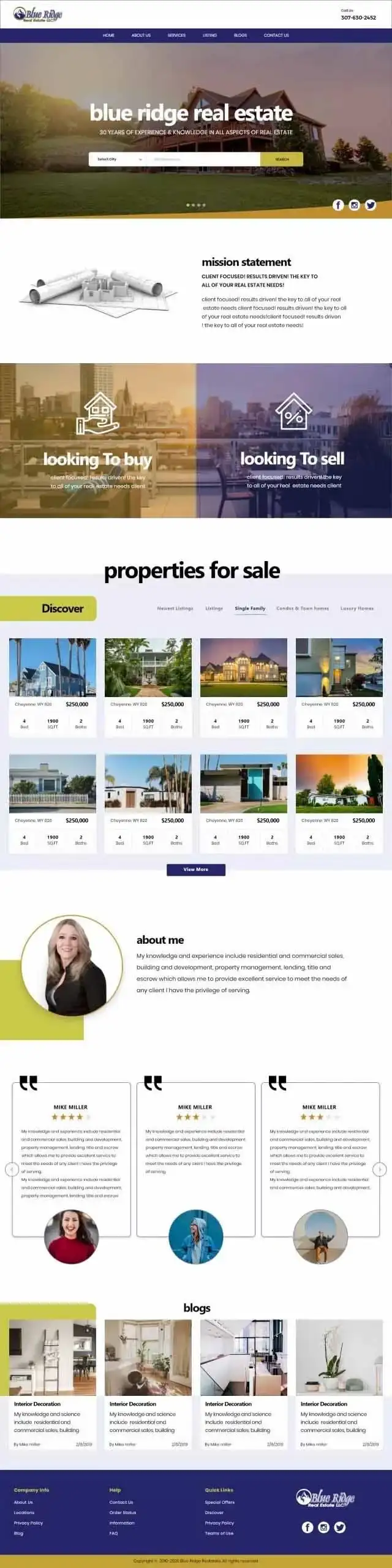

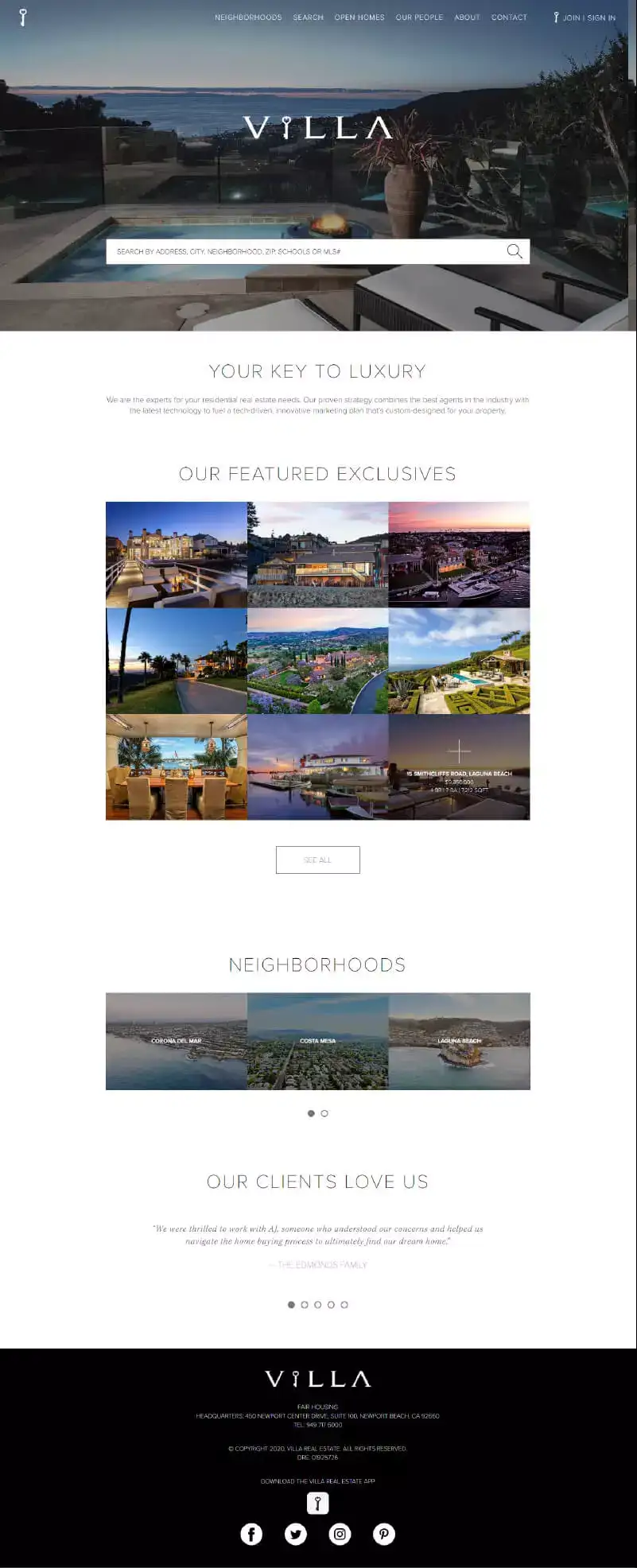
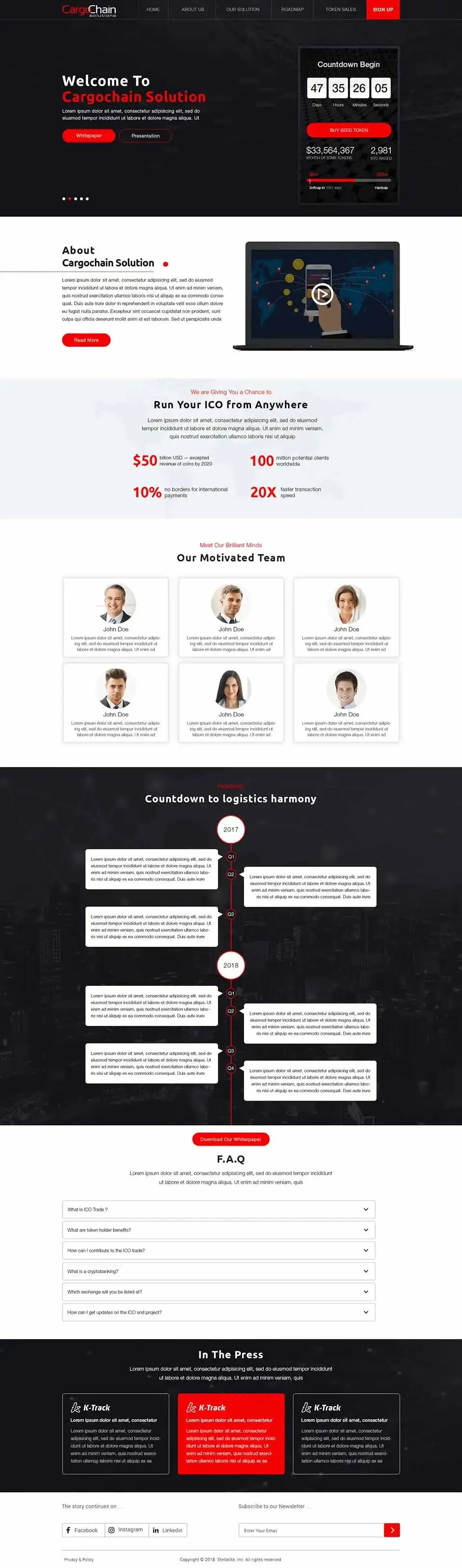

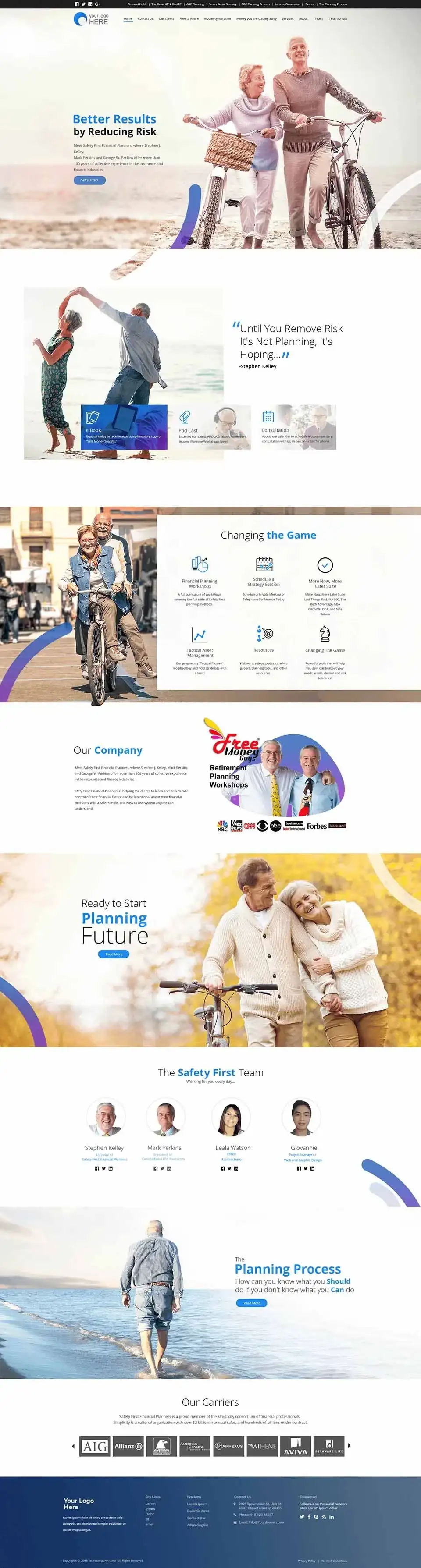






We perform a detailed review of your website to identify crawl, indexing, performance, and structural problems.
We check whether search engine crawlers can access important pages efficiently.
We identify pages that should or should not be indexed and investigate indexing inconsistencies.
We review robots directives to make sure important content is not accidentally blocked.
We check whether sitemaps contain the right URLs and help search engines discover important pages.
We review canonical implementation to reduce duplicate URL confusion and consolidate signals where appropriate.
We identify redirect chains, loops, broken redirects, and incorrect status-code behavior.
We identify internal and external broken links that may create poor user experiences or crawling issues.
We review performance problems such as oversized assets, render-blocking resources, heavy scripts, and slow-loading pages.
We evaluate key experience metrics such as loading performance, interaction responsiveness, and visual stability.
We check schema markup for technical validity and relevance to the page content.
We review mobile usability, responsive layouts, and technical issues that may affect mobile search performance.
Search engines cannot rank pages they cannot properly access or index.
Common crawl and indexing problems include:
Our technical SEO services help identify and resolve these issues so important pages are easier to discover and understand.
Robots directives control how search engines interact with certain areas of your site.
Incorrect configuration can cause major SEO problems.
For example:
We review these settings carefully to make sure they align with your SEO goals.
An XML sitemap helps search engines discover important URLs.
A well-maintained sitemap should generally include:
It should avoid:
Keeping the sitemap clean can make crawling and indexing more efficient.
Duplicate or near-duplicate URLs can make it harder for search engines to determine which version should be treated as the primary page.
We review:
Proper canonicalization helps consolidate signals and reduce unnecessary duplication.
HTTP status codes tell search engines what has happened to a URL.
Important examples include:
We review redirect logic to reduce:
Clean redirect handling is especially important during website migrations and redesigns.
A normal 404 tells search engines that a page does not exist.
A soft 404 occurs when a page appears missing or useless but still returns a successful status code such as 200.
Soft 404s can create confusion for search engines and waste crawl activity.
We identify and correct these issues as part of a website SEO audit.
A clear website structure helps both users and search engines understand how pages relate to one another.
Strong architecture may follow a logical structure such as:
Homepage → Service Category → Individual Service → Supporting Content
We review:
Important pages should not be buried unnecessarily deep within the site.
Internal links help search engines discover pages and understand relationships between topics.
We identify opportunities to improve:
Good internal linking also helps users move through the website more easily.
Page experience can be affected by how quickly and smoothly a site loads and responds.
We review areas related to Core Web Vitals, including:
Common causes of poor performance may include:
Improving these areas can support both usability and overall site quality.
Fast websites create better experiences and reduce unnecessary friction.
Our technical review may consider:
Not every optimization has the same impact, so fixes should be prioritized based on the actual bottlenecks.
Search visibility and user experience both depend heavily on mobile performance.
We review mobile issues such as:
Important content and functionality should remain accessible across devices.
Some modern websites rely heavily on JavaScript to display important content.
This can create challenges if content or links are not easily accessible to search engines.
We may review:
The goal is to make sure important information can still be discovered and processed reliably.
Structured data can help search engines better understand certain types of page information.
Depending on the website, relevant schema may include:
We review structured data for validity and alignment with actual page content.
A secure website is an important technical foundation.
We review issues such as:
Security issues should be addressed before they create trust or accessibility problems.
Ecommerce sites often create complex technical SEO challenges due to large catalogs and dynamic URLs.
We may review:
The objective is to reduce crawl waste while making important products and categories easier to discover.
Website migrations require careful planning.
Changing domains, platforms, URLs, or site structure without proper SEO preparation can affect organic performance.
Our migration planning may include:
The goal is to reduce avoidable visibility loss during the transition.
AI-powered search systems still depend on accessible, understandable, and well-structured web content.
Strong technical SEO can support AI search visibility by helping ensure:
Technical SEO remains an important foundation for both traditional search and newer AI-driven discovery experiences.
We crawl the website to identify structural, status-code, indexation, and linking issues.
Where access is available, we review indexing, coverage, performance, and technical reports.
We document the most important technical issues affecting the site.
Issues are categorized based on severity, impact, and implementation effort.
We fix or provide implementation guidance for the identified issues.
Changes are tested to confirm they have been implemented correctly.
Technical performance is monitored for new errors, changes, or opportunities.
Technical SEO often requires both search knowledge and development understanding.
We focus on issues that can materially affect search visibility and user experience.
Our audits cover crawling, indexing, architecture, speed, mobile, structured data, and other important areas.
We provide clear fixes rather than simply listing technical problems.
Where required, our development capabilities can support implementation of technical fixes.
We consider traditional SEO alongside AI search, SXO, AEO, and broader website performance.
| Area | Technical SEO Audit | General SEO Audit |
|---|---|---|
| Crawlability | Deep Review | Basic Review |
| Indexability | Deep Review | Included |
| Page Speed | Detailed | Included |
| Content Quality | Limited | Detailed |
| Backlinks | Limited | Detailed |
| Site Architecture | Detailed | Included |
| Structured Data | Detailed | Basic/Included |
| Keyword Strategy | Limited | Detailed |
A complete SEO strategy may require both technical and broader search analysis.
Technical SEO may be useful when:
Technical problems can quietly limit otherwise strong SEO work.
Technical SEO services focus on improving how search engines crawl, render, understand, and index a website. They include areas such as crawlability, indexing, site architecture, speed, mobile usability, redirects, structured data, and technical configuration.
A website SEO audit is a detailed review of a website's technical health, content, structure, and search visibility to identify issues and opportunities for improvement.
Technical website optimization involves fixing infrastructure and configuration issues that affect website performance, crawlability, indexability, user experience, and search visibility.
There is no single schedule for every site. Larger or frequently changing websites may benefit from regular technical checks, while smaller sites may need audits after major updates, redesigns, migrations, or unexplained performance changes.
Technical improvements can remove barriers that prevent pages from being crawled, indexed, or performing effectively. Rankings also depend on content quality, relevance, authority, competition, and other factors.
Depending on the project, technical SEO work may use tools such as Google Search Console, crawling software, analytics platforms, performance testing tools, and structured data validators.
Web Design Marvel can identify issues through an audit and, depending on the website and project scope, assist with implementation and technical fixes.
Yes. Ecommerce websites often have complex technical challenges involving duplicate URLs, filters, pagination, product availability, internal linking, and crawl efficiency.
Technical SEO helps ensure website content is accessible, indexable, well structured, and technically understandable, which provides a stronger foundation for search and AI-powered discovery systems.
Larry Buckalew
2 years ago
I recently had the pleasure of working with Web Design Marvel Agency to create a website for my business, and they also provided SEO services. I am incredibly pleased with the outcome and wanted to share my experience.From the very ...
I recently had the pleasure of working with Web Design Marvel Agency to create a website for my business, and they also provided SEO services. I am incredibly pleased with the outcome and wanted to share my experience. From the very first consultation, the team understood exactly what I needed and delivered beyond my expectations.
Buckalew Financial Services
2 years ago
I recently partnered with Web Design Marvel Agency for a complete website overhaul and SEO optimization, and I couldn't be happier with the results.From our initial consultation, it was clear that Web Design Marvel Agency was dedicated to ...
I recently partnered with Web Design Marvel Agency for a complete website overhaul and SEO optimization, and I couldn't be happier with the results. From our initial consultation, it was clear that Web Design Marvel Agency was dedicated to understanding our business and delivering a solution tailored to our needs.
Ransom Fils-Aime
2 years ago
I am Highly satisfied with the support and professionalism of Adam and his crew. They have guided my hands and are still guiding me through the tedious navigation processes. ...
I am Highly satisfied with the support and professionalism of Adam and his crew. They have guided my hands and are still guiding me through the tedious navigation processes. Their patience and expertise made the whole experience much easier than I expected.
Dana Seidel
2 years ago
Unfortunately, I don't speak "tech" language, so the initial design of my website, though it was good, didn't get me anywhere. My website wasn't able to be found by a Google Search. But, that was a single page design and me not really ...
Unfortunately, I don't speak "tech" language, so the initial design of my website, though it was good, didn't get me anywhere. My website wasn't able to be found by a Google Search. But, that was a single page design and me not really pushing for SEO at the time. Once we addressed that, things improved a lot.
Amy Sedgwick
8 months ago
Andre has made my Web Marvel experience top notch! He has excellent attention to detail, is efficient and is truly a pleasure to work with.
Andre has made my Web Marvel experience top notch! He has excellent attention to detail, is efficient and is truly a pleasure to work with.
Chris Anderson
3 years ago
Our company began as a textile business. We went with Web Design Marvel for our web design. We wanted a website that fit our brand persona, and with this team, we boosted our e-commerce website's functionality while cutting costs. Our ...
Our company began as a textile business. We went with Web Design Marvel for our web design. We wanted a website that fit our brand persona, and with this team, we boosted our e-commerce website's functionality while cutting costs. Our whole team is thrilled with the final product.